BRUNNER LECTURE IN EGYPTOLOGY 2026-2027
University of Liverpool, Lecture Theatre 3, L3 5TR
Thursday 11 March 2027
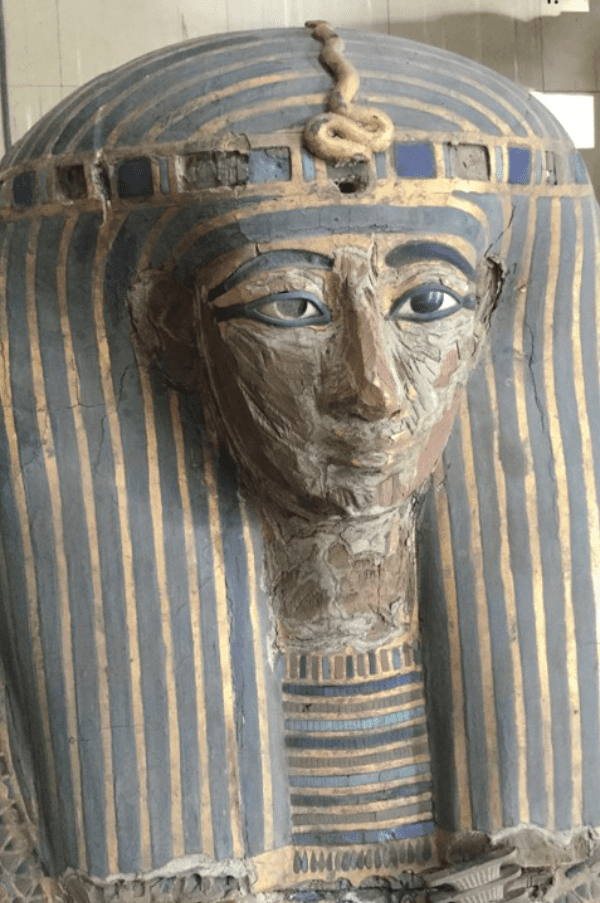
The Department of Archaeology, Classics and Egyptology at the University of Liverpool is delighted to announce the fourth Annual Brunner Lecture in Egyptology, open to the public and members of the University.
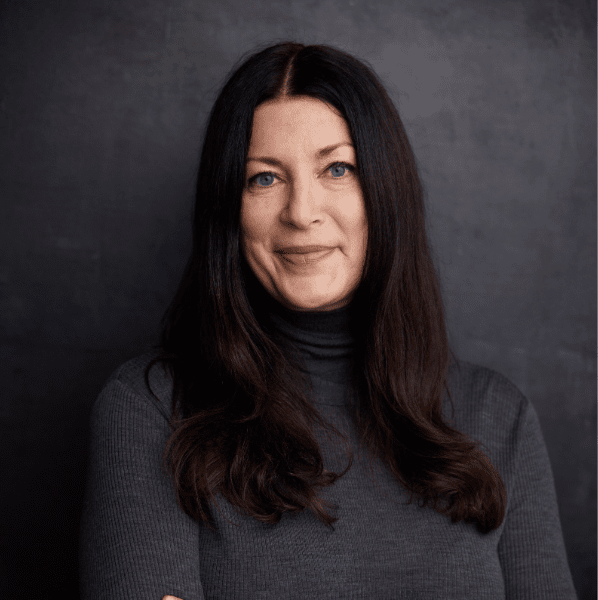
The lecture will be given by Kara Cooney, Professor of Egyptian Art and Architecture at UCLA.
After the lecture, there will be a drinks recepetion open to all those attending.
Thursday 11 March 2027 at 17:15
University of Liverpool, 502 Teaching Hub, Lecture Theatre 3
Abstract:
The royal coffin reused for Thutmose III was opened and stripped of gold at least three times across three dynasties, each act performed by agents at the very top of society, each one dressed up just enough to preserve a claim of pious caretaking. In the same royal cache of Deir el Bahari were a number of 21st Dynasty elite and priestly coffin ensembles, every one of which had been reused from an older coffin set in some way, many of the gilded hands and faces quietly removed by peers, telling the same story of elite appropriation that the Egyptians themselves never called theft, and that Egyptology has largely declined to call theft either.
Set against this, the Tomb Robbery Papyri interrogate craftsmen, cultivators, and tomb guards — never their patrons. Drawing on sociologist James C. Scott's notion of the hidden transcript and on Jean-Christophe Antoine's recent network analysis of the accused from the Tomb Robbery papyri, I argue that these formal investigations functioned less as anti-theft enforcement than as an arena in which competing elite institutions, including the vizierate, court, and the High Priesthood of Amen, used non-elite bodies to shift blame away from their own agents. Gold, I argue, could not move through non-elite hands without a patron to launder it; access to coffins and fine linen was itself a marker of rank. The result is a system in which the poor did the plundering, the highborn did the profiting, and only the plunderers were named.
Kara Cooney is Professor of Egyptian Art and Architecture at UCLA. Specializing in social history, craft production, coffin studies, and economies in the ancient world, Prof. Cooney has worked extensively on coffin reuse in the Late New Kingdom, investigating the socioeconomic and political turmoil that have affected funerary and burial practices. This 15-year research project culminated in her 2024 publication Recycling for Death. Coffin Reuse in Ancient Egypt and the Theban Royal Caches, AUC Press.
The lecture will be given by Kara Cooney, Professor of Egyptian Art and Architecture at UCLA.
After the lecture, there will be a drinks recepetion open to all those attending.
Whose Hands Are Dirty?
Coffin Reuse, Patronage, and the Scapegoating of Non-Elites in Late Ramesside Thebes.
Coffin Reuse, Patronage, and the Scapegoating of Non-Elites in Late Ramesside Thebes.
Prof. Kara Cooney, UCLA
Thursday 11 March 2027 at 17:15
University of Liverpool, 502 Teaching Hub, Lecture Theatre 3
Abstract:
The royal coffin reused for Thutmose III was opened and stripped of gold at least three times across three dynasties, each act performed by agents at the very top of society, each one dressed up just enough to preserve a claim of pious caretaking. In the same royal cache of Deir el Bahari were a number of 21st Dynasty elite and priestly coffin ensembles, every one of which had been reused from an older coffin set in some way, many of the gilded hands and faces quietly removed by peers, telling the same story of elite appropriation that the Egyptians themselves never called theft, and that Egyptology has largely declined to call theft either.
Set against this, the Tomb Robbery Papyri interrogate craftsmen, cultivators, and tomb guards — never their patrons. Drawing on sociologist James C. Scott's notion of the hidden transcript and on Jean-Christophe Antoine's recent network analysis of the accused from the Tomb Robbery papyri, I argue that these formal investigations functioned less as anti-theft enforcement than as an arena in which competing elite institutions, including the vizierate, court, and the High Priesthood of Amen, used non-elite bodies to shift blame away from their own agents. Gold, I argue, could not move through non-elite hands without a patron to launder it; access to coffins and fine linen was itself a marker of rank. The result is a system in which the poor did the plundering, the highborn did the profiting, and only the plunderers were named.
Kara Cooney is Professor of Egyptian Art and Architecture at UCLA. Specializing in social history, craft production, coffin studies, and economies in the ancient world, Prof. Cooney has worked extensively on coffin reuse in the Late New Kingdom, investigating the socioeconomic and political turmoil that have affected funerary and burial practices. This 15-year research project culminated in her 2024 publication Recycling for Death. Coffin Reuse in Ancient Egypt and the Theban Royal Caches, AUC Press.
Price
Ticket price
£0.00
