The Stoner Colloquium 2026 with Professor Anthony J Ryan OBE
Michael Sadler RBLT (LG.X04), Leeds, LS2 9JT
Tuesday 1st December 2026
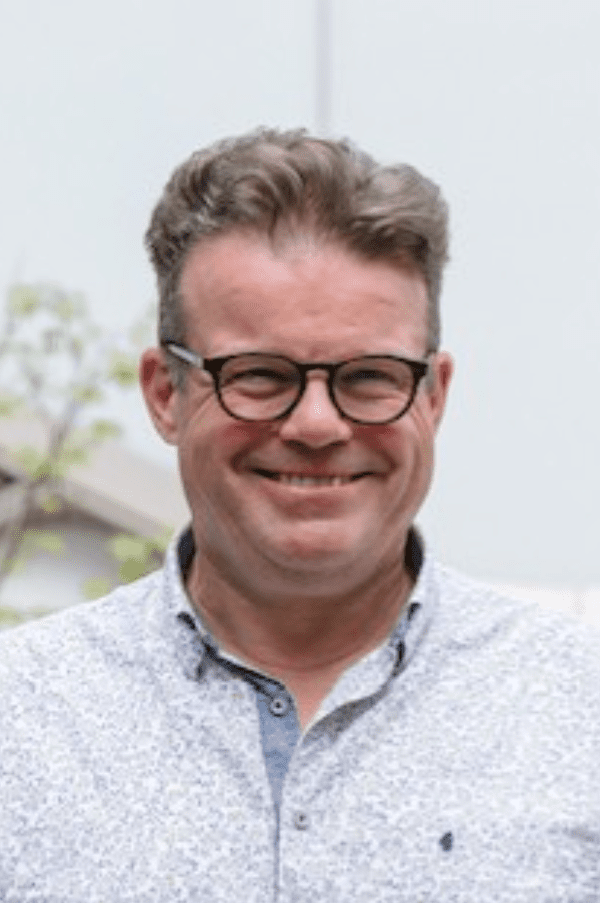
The School of Physics and Astronomy are delighted to host Professor Anthony J Ryan OBE for the Stoner Colloquium 2026.
Neofossils: biogenic plastics to sequester CO2
In the last 50 years more than 8 billion tons of the stuff vilified as “plastic” has been produced because their ubiquity and variety mean they are completely embedded in our lives. And lots of the enabling research was done in the Leeds Physics Department. But the very properties of plastics that make them so useful, they are durable & cheap, also means that they are almost worthless post-use, expensive to recycle & easy to discard.
We have been focussed on delivering a circular economy for polymers, whether they are derived from fossil carbon or more recent biomass. A systems-based, multidisciplinary approach should be able to solve the problem of plastics in the environment through a combination of reuse, repurposing & recycling – and yet recycling rates are stuck at ~10% globally and falling in many places. This work has led us to the conclusion we need to turn the problem on its head. Make more single use plastic but using C that has been fixed by photosynthesis and taken from the atmosphere this year, not C fixed millenia ago. Neo-carbon not fossil-carbon to turn into neo-fossil plastic and put it back in the ground through curated burial - the emphasis being on curation and preventing leakage.
The current emphasis on bio-based & compostable plastics is not inherently sustainable because their production can cause more greenhouse gas emissions than the fossil-based plastics they replace. Moreover, the fate of a compostable plastic is conversion back into CO2 & water. Bio-based plastics can only become truly sustainable when produced using renewable energy, not the current energy mix of >70% fossil. Life cycle assessment can identify the tipping point, as the energy system defossilises, when making durable bio-based plastics makes sense.
The petrochemicals industry could continue to benefit from its capital assets and be persuaded to leave the oil & gas in the ground if it could see a profit from a "consume then conserve" plastic policy. When plastic sequesters carbon from the atmosphere by being made from biomass it makes sense to use it to replace even more materials. For example carbon fibre composites (where both the fibre & the resin were neo-carbon) could replace lightweight metals in transport and steel in construction.
We could use durable (i.e. nondegradable) biogenic plastics plastics to sequester carbon. Making polymers from photosynthetic biomass takes CO2 out of the atmosphere and we could bury that plastic. In fact, if we converted all the current 400 million tonnes of annual plastic production to non-degradable bioplastics, using 100% renewable energy and agricultural waste as the feedstock, we would be able to remove 1 billion tonnes of CO2 from the atmosphere every year and help deliver the Paris climate change goals.
Find out more about Tony here: https://en.wikipedia.org/wiki/Tony_Ryan_(scientist)
Venue Details
Parking for visitors
Parking is available to the public in the Orange Zone on weekday evenings (5pm – 7am), which includes the Edge (w3w.co/option.exams.member) and Multistorey (w3w.co/market.tree.fees) car parks. Automatic number plate recognition (ANPR) is in operation in this car park.
Please do not pay on arrival. Payment for parking is required as per the tariff displayed within the car parks and should be made before exit at any of the cashless pay machines. These tariffs also apply to Blue Badge holders.
Find out more information at https://estates.leeds.ac.uk/our-services/car-parking/visitor-parking/#public-info
Accessibility
For information regarding accessibility, please visit: accessable.co.uk/university-of-leeds/access-guides/michael-sadler
Refreshments will be served after the talk (6pm - 7pm). Please note that this part of the event is only open to those over 18 years old.
For further enquiries, please contact [email protected]
Price
Group ticket price
£0.00
