Whether you’re planning a weekend-long beer festival, a corporate conference or a cabaret evening - one thing that will help to keep your event attendees informed and engaged is to plan and prepare an event programme.
A good event programme will increase the enjoyment of your attendees tenfold - and here’s how to create one.
To put it simply, an event programme is a detailed overview of what’s going to happen on the day of your event. It’ll let your event attendees know what’s going on and where allowing them to structure their day in a way that works for them.
It’s particularly helpful to have an event programme if you’re hosting a conference or a festival - any event where multiple things are going on at the same time!
"Planning an event programme is very important. We've only just finished our literary festival and the Festival Director is already starting to plan next year's event. She will be liaising with publishers over what books are coming out in the next 12 months and who's likely to be available for appearances at the festival. From there, she'll start to put together an event programme." - Derek Holmes, Oxford Literary Festival
1. Structure
Creating an in-depth event programme gives your event attendees complete control over their day, allowing them to make the most out of the event and to plan their day to perfection.
"We have a Festival Manager whose sole job is to build the event programme with all these different speakers who are coming, work out what days they can come, what rooms they should be in, and then put that whole planning together." - Derek Holmes, Oxford Literary Festival
2. Reliability
A printed event programme might seem like a more traditional method of event planning - particularly when apps and smartphones are so prevalent in today’s society, however, a printed event programme is more effective because it caters for venues where the signal might not be great, for attendees who want to use their phones to capture the day, for attendees who may have lost battery, and also for attendees who simply prefer printed materials to relying on a smartphone or the internet.
"We've got over 300 events, but we've managed to get them all down into a pocket guide. An A5 sized programme which we send out to everybody on our postal database, and that does extremely well and is extremely well received." - Derek Holmes, Oxford Literary Festival
Printed event programmes also allow you to further cement your brand in the minds of those who attend - even after the event itself. They’ll be reminded of your brand throughout the day so that your logo is immediately recognisable, and a few event programmes may even make their way home with some attendees after the event too!
Similarly, a programme offers you an additional opportunity to generate revenue, presenting companies an opportunity to sponsor the event and have their logo featured in the programme, or to pay for a spot in the programme to promote their business.
"We're always reliant on sponsors and donors to help keep the festival going" - Derek Holmes, Oxford Literary Festival
The specific information which needs to be included in your event programme will differ depending on the nature of your event, though here are some key elements that you should consider including when it comes to planning your event programme:
> The name of the event, the location of where it’s held, the date it’s held and the time it’ll be held at
> Any branding assets for your business, including logos, slogans, social media handles and links to your website
> The event schedule for the day - including rooms, timings and any speakers
> A map of the venue so that it’s easy for your guests to navigate
> Information on any sponsors, vendors or businesses who have paid for a spot in your programme
> An FAQ page to cover any important questions you’ll need to answer
If you have more space to play with, you could also include some bios on any speakers, entertainment or vendors who are attending your day.
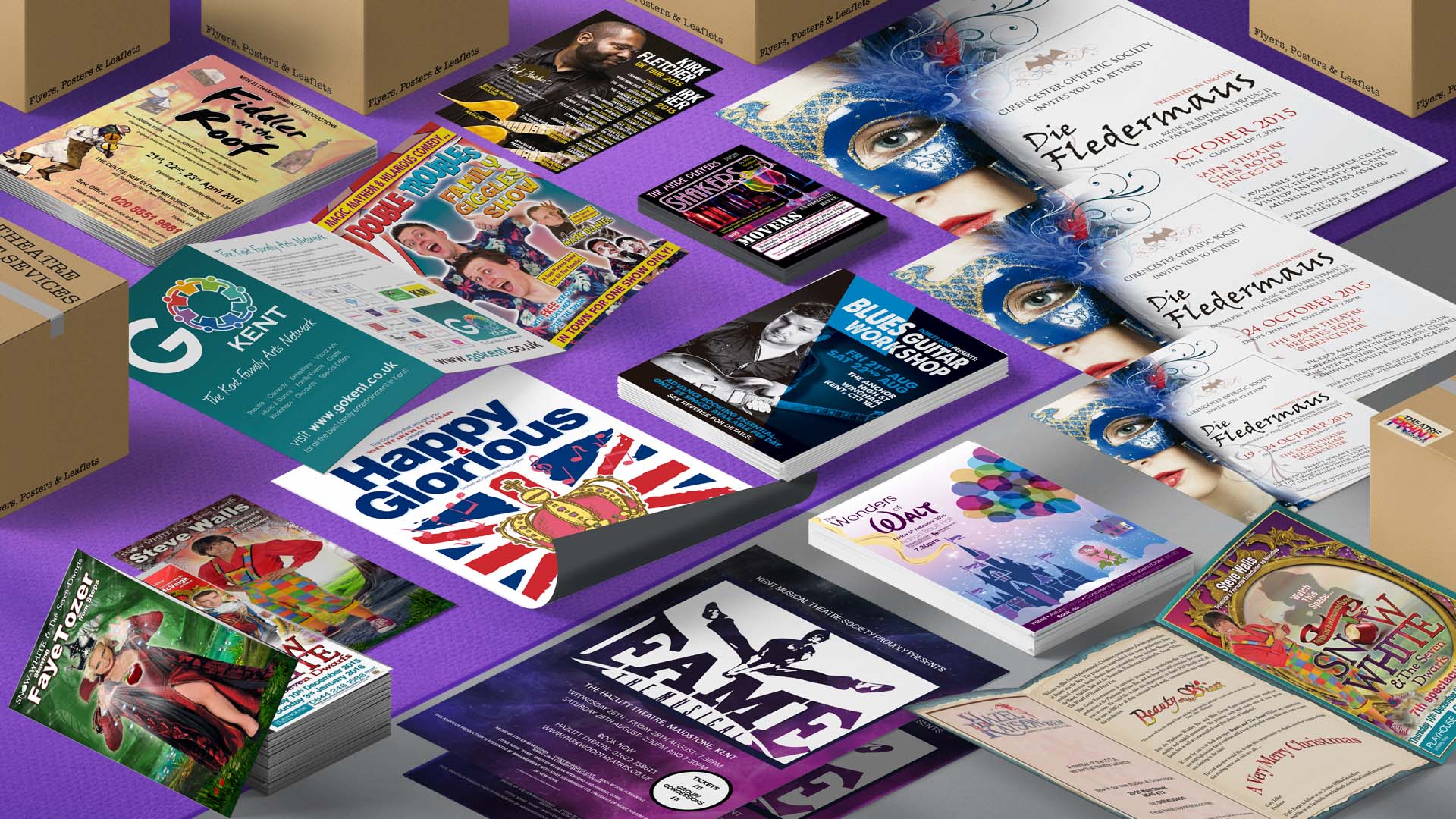
Of course, the design of your event programme is incredibly important, but before you consider the aesthetics of the programme, it’s important to first consider the structure.
1. Your brand
Think about your brand, your logo, your website and the name/branding that you’ve given to the event. Make sure that you lead with this - your programmes should immediately display who you are as a business and what the event is about, tying in with any colour schemes or typographies associated with your brand.
2. High-quality assets
Using high-quality images within your event programme is going to increase the design impact of your programme, and also create a positive association with your brand. You don’t want to use low-quality or pixelated images in an important programme!
3. Sponsors
It’s also important to consider the branding/logos of any sponsors or partner businesses that are involved with your event. Make sure that their branding and logos fit in with the overall look and feel of your programme.
4. Be concise
Your event programme needs to be easy to read and quick to provide the correct information, so try to strip out any irrelevant content, even if you’re looking at a booklet-style programme.
5. Link to your website
Whether you’re linking to your business website or a website dedicated specifically to your event, be sure to provide your attendees with the opportunity to find out more information about you - and indeed about the event too!
1. Consistency
The first thing that you can do to make your programme unique and appealing is to ensure that it’s true to your brand - that in itself will help you stand out from the crowd! Make sure your brand logo, colours and fonts are easily identifiable and make sure that the look and feel of the event programme are consistent with any flyers or posters, websites or social media posts about the event for a cohesive brand both on and offline.
If you’re hosting multiple events at the same time, try to programme it so that your heavy hitters or the specific items you expect will draw the most attention and don’t clash. You want to give your audience the option to plan their perfect day, without adding difficult programme clashes to frustrate them!
"You have a target market that you want to hit, and you have to think of who would appeal to that market. We've got a very well educated audience that has a big appetite for anything that they can discuss or learn something new. It’s a good fit with the leading scientists, historians, current affairs specialists, journalists and fiction writers we have as speakers." - Derek Holmes, Oxford Literary Festival
3. Simplicity
Keep your programme brief and clutter-free to ensure that the details stand out. If your event has a matching website, you could even add a QR code to your event programme or at the very least a link - let your website fill in the gaps and do the heavy lifting.
4. Quality Assurance
Make sure you have plenty of time to quality-check your event programme before you distribute it to the attendees of your event. It’s important to ensure that the paper feels good, the images/colours have been printed correctly and the font is easy to read. Make sure you’re happy with the end product and have tested it before you place a big order!
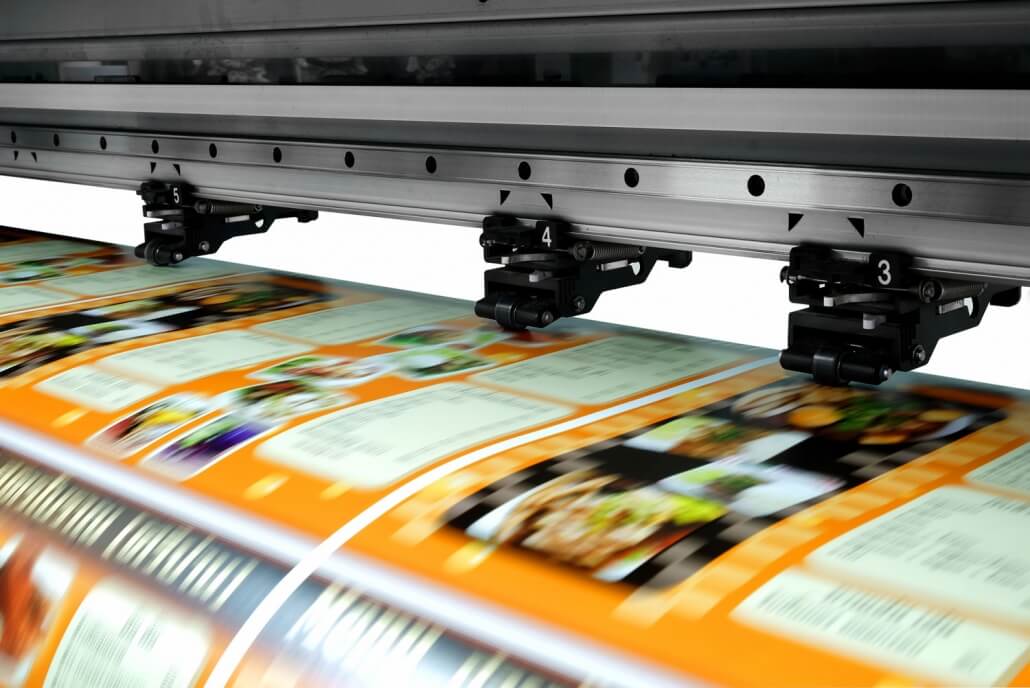
You may be lucky and have some design talent in-house, or be able to rope someone in to help you to bring your design to life. Of course, this is a preferable option because it will save you money and will give you the ultimate creative control over the end product, however, it’s not unusual for a business to lack the creative skillset to adequately design an event programme.
Here are some online design tools that you can use to help you to create a programme:
For free:
Canva
Canva is a fantastic free resource that lets you design high-quality assets from a range of pre-designed templates. You’ll be able to manipulate elements within the template such as colour and font so that they align closely with your branding, and will be able to choose from a range of pre-prepared designs to find one that suits you.
Adobe Creative Cloud Express
Giving you as much or as little autonomy over the design as you want, Adobe Creative Cloud Express is another excellent free resource for designing event programmes. You’ll be able to search through pre-designed templates to quickly and easily make a programme that works for you.
Microsoft Office
Microsoft Office has some great tools for designing yourself - and even Microsoft Word will have some built-in templates which could work for an event programme. However, Microsoft Publisher may be the best choice, giving you a little more flair with the design and allowing you to create something truly quite impressive with little to no experience.
Fotor
Fotor is a great free resource offering you a range of pre-made event programme templates to adapt to meet the needs of your business.
With budget:
Fiverr
Fiverr lets you connect with freelancers to help bring your design needs to life. You can search for what you’re looking for, and then browse a selection of different freelancers, see examples of their work and find someone who works within the budget that you have to deliver your event programme on time.
Having a programme for your event is the perfect way to ensure that your event runs smoothly. Not only will each element of your event get its airtime, but your event attendees will be informed, engaged and able to plan the day so that they are truly able to make the most of what’s on offer - ensuring a higher rate of customer satisfaction every time.
Follow the above steps and you’ll be able to create an exciting event programme that is guaranteed to improve the overall success of your event.
Get free professional advice and information regarding event organising sent straight to your inbox.

You may opt-out of future TicketSource emails at any time using
the unsubscribe link within the email.
Read our Privacy Policy here.
An easy to use, free online event ticketing system for any type of venue or event. Promote, manage and sell your event tickets online ‐ all for free!

Rebecca Collis is a content writer for TicketSource, based in Cardiff. She specialises in events and marketing. With a wealth of experience under her belt, including bylines in The Guardian and The Sun, she has a professional history of producing content across a range of digital platforms.